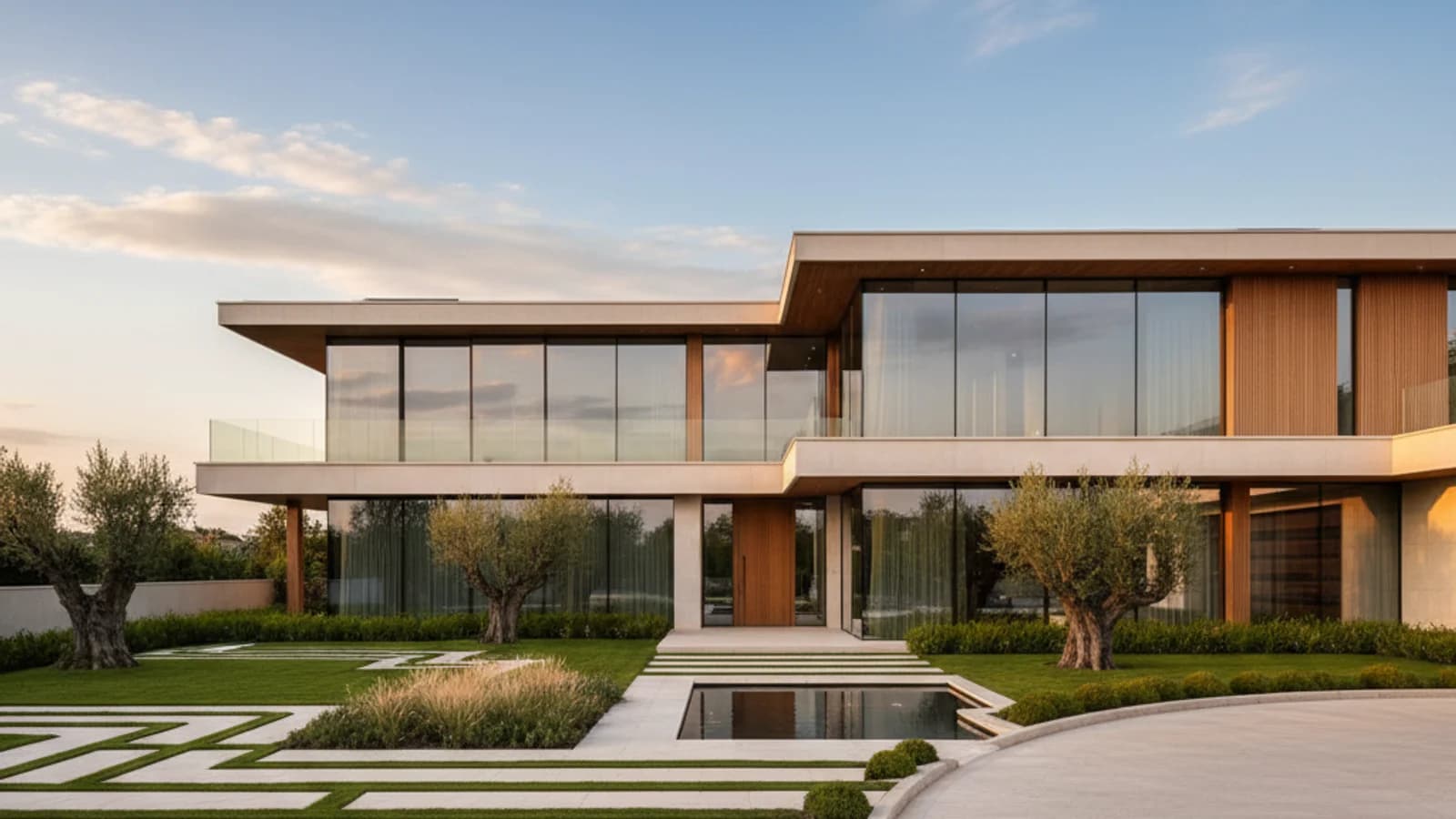
Luxury villas
Strengthen standalone homes and villa listings where facade quality drives desire.
Photo Tool
Lift curb appeal, recover washed-out skies, and balance brightness so villas, facades, terraces, and gardens feel more premium at a glance.
Featured workflow
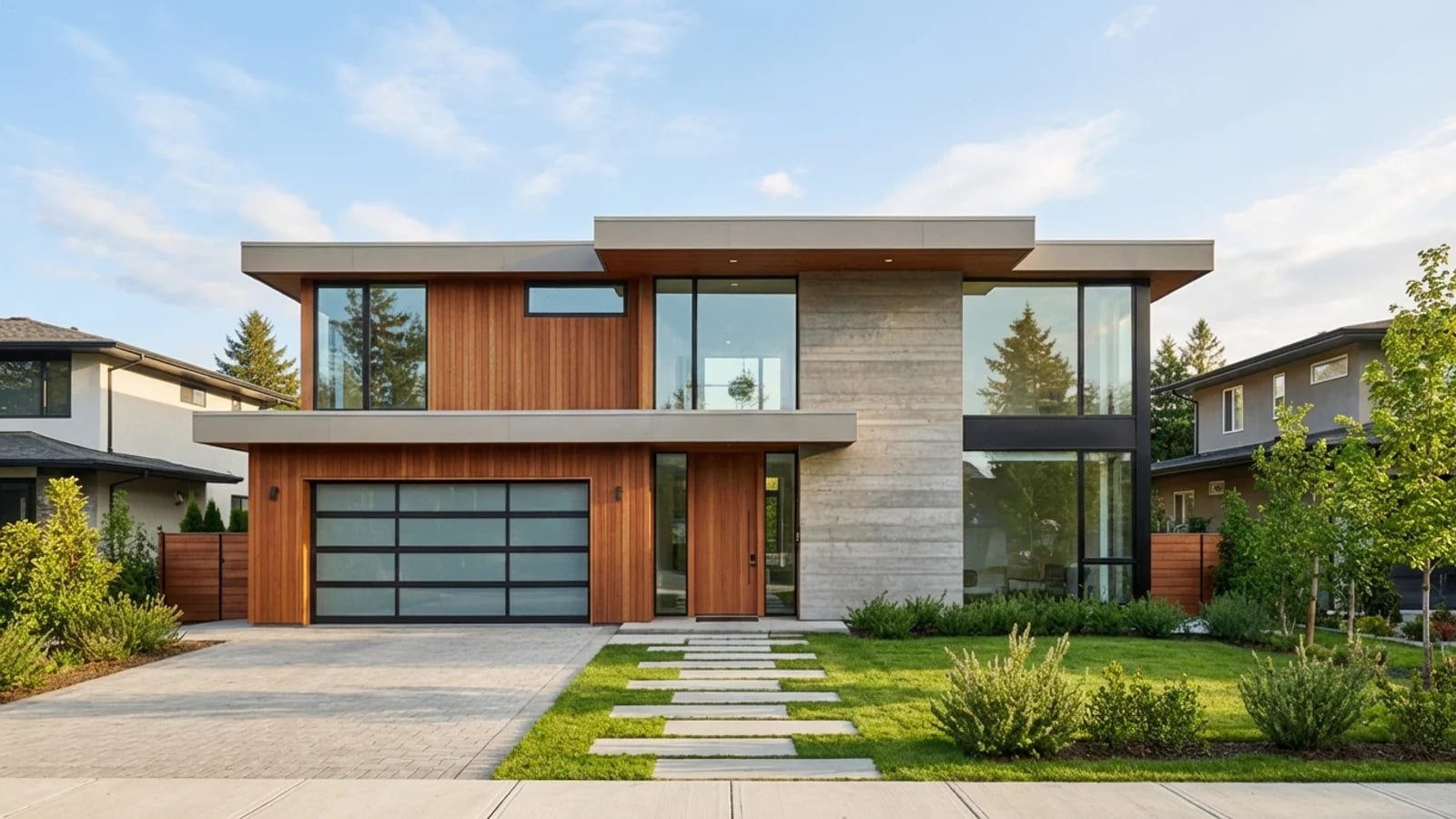
Exterior shots drive the first impression of a listing. A clearer facade and better sky separation make the property look more intentional and more expensive.
to refine exterior presentation for launch
from more competitive first-screen thumbnails
usable across cloudy or flat shooting days
Feature proof
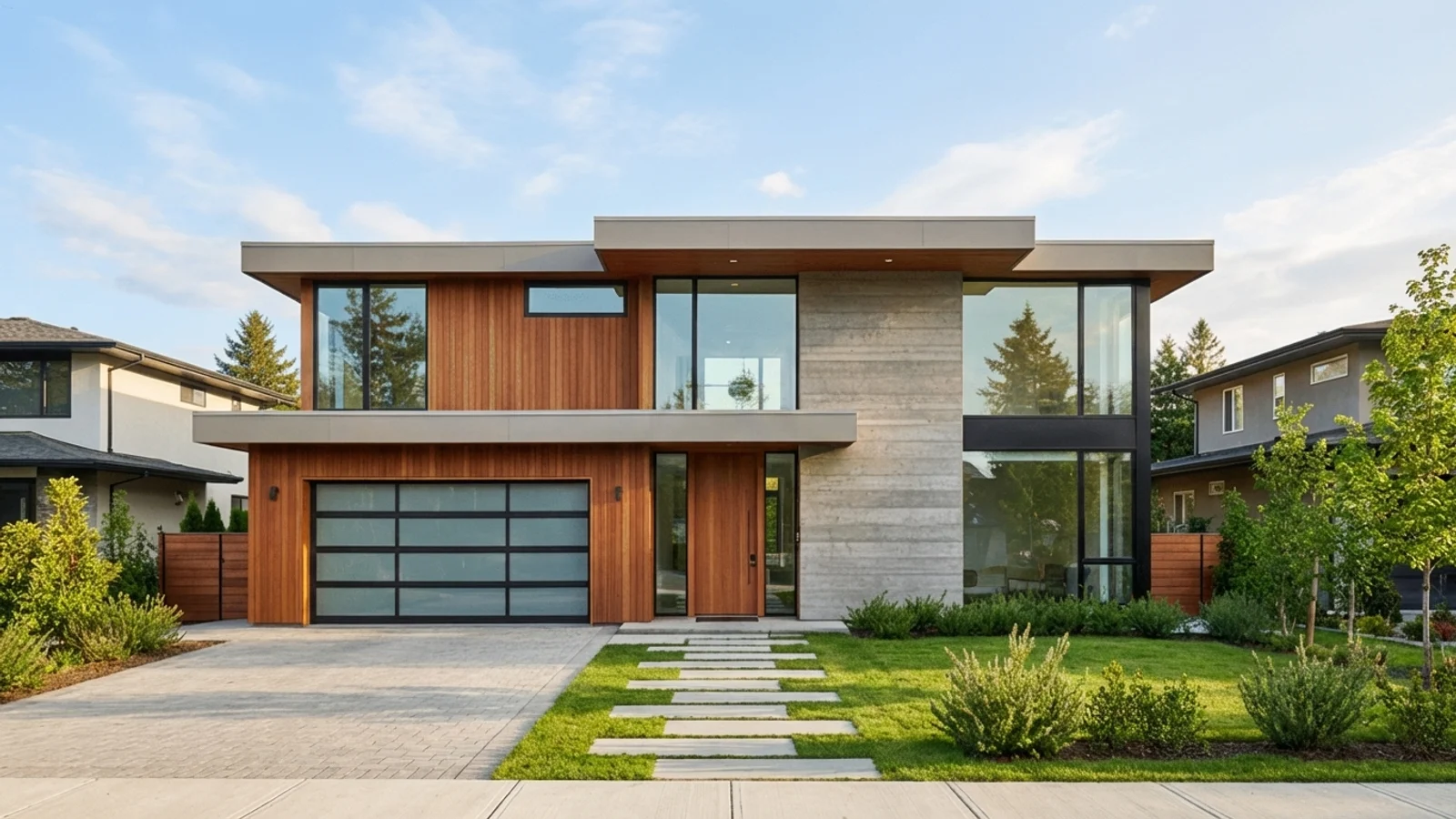
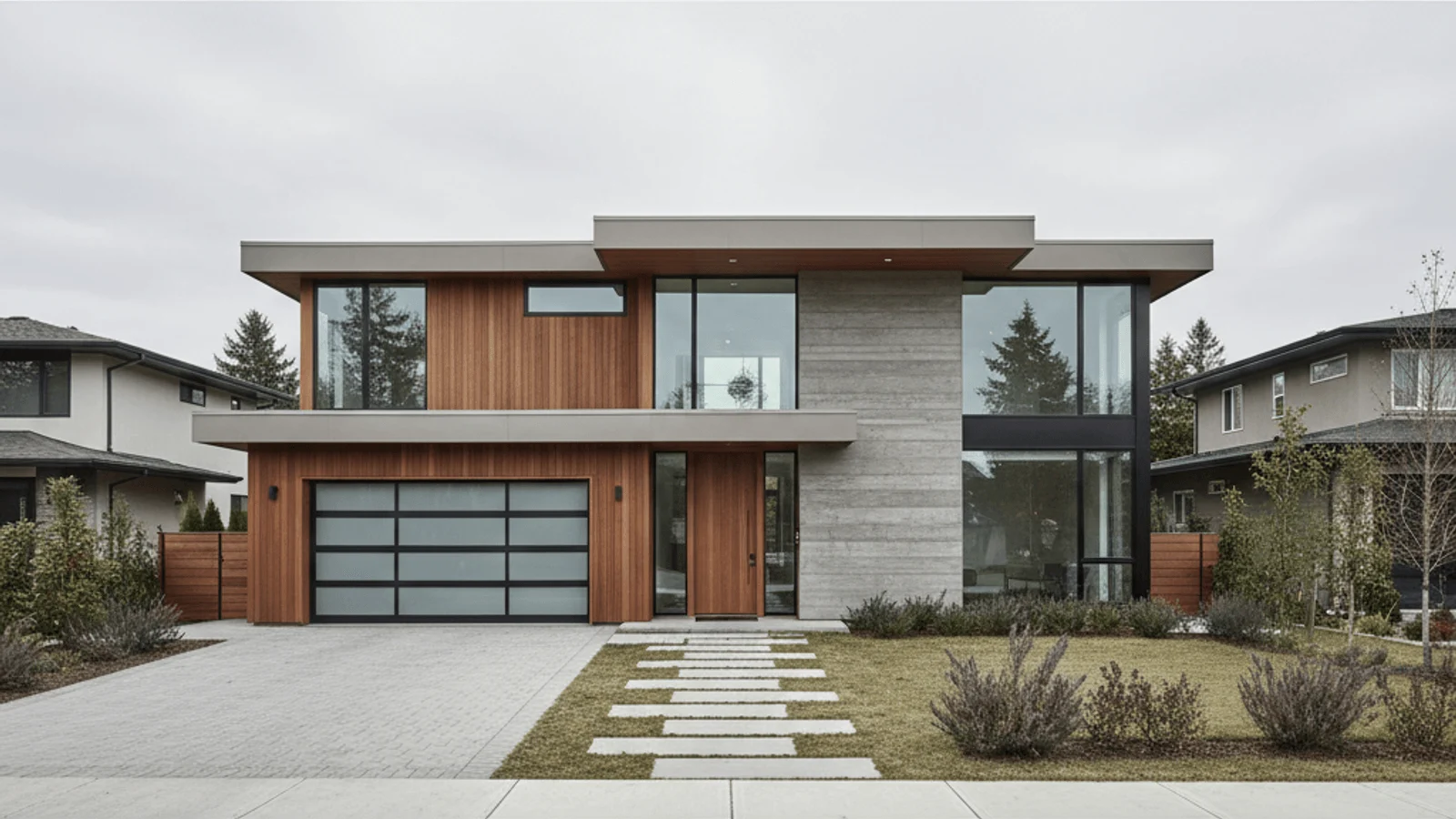
Exterior shots drive the first impression of a listing. A clearer facade and better sky separation make the property look more intentional and more expensive.
Why it matters
These pages are designed for more than presentation. They help teams communicate value faster, explain the workflow clearly, and create stronger confidence before a trial or demo request.
Improves sky, contrast, and facade readability without heavy-handed editing.
Helps premium listings feel more aspirational on marketplaces and social media.
Gives brokerages a cleaner visual standard for every exterior hero image.
Use cases
Each feature is meant to support real publishing behavior: faster launches, better listing quality, and stronger campaign coverage across portals, decks, and social.
Strengthen standalone homes and villa listings where facade quality drives desire.
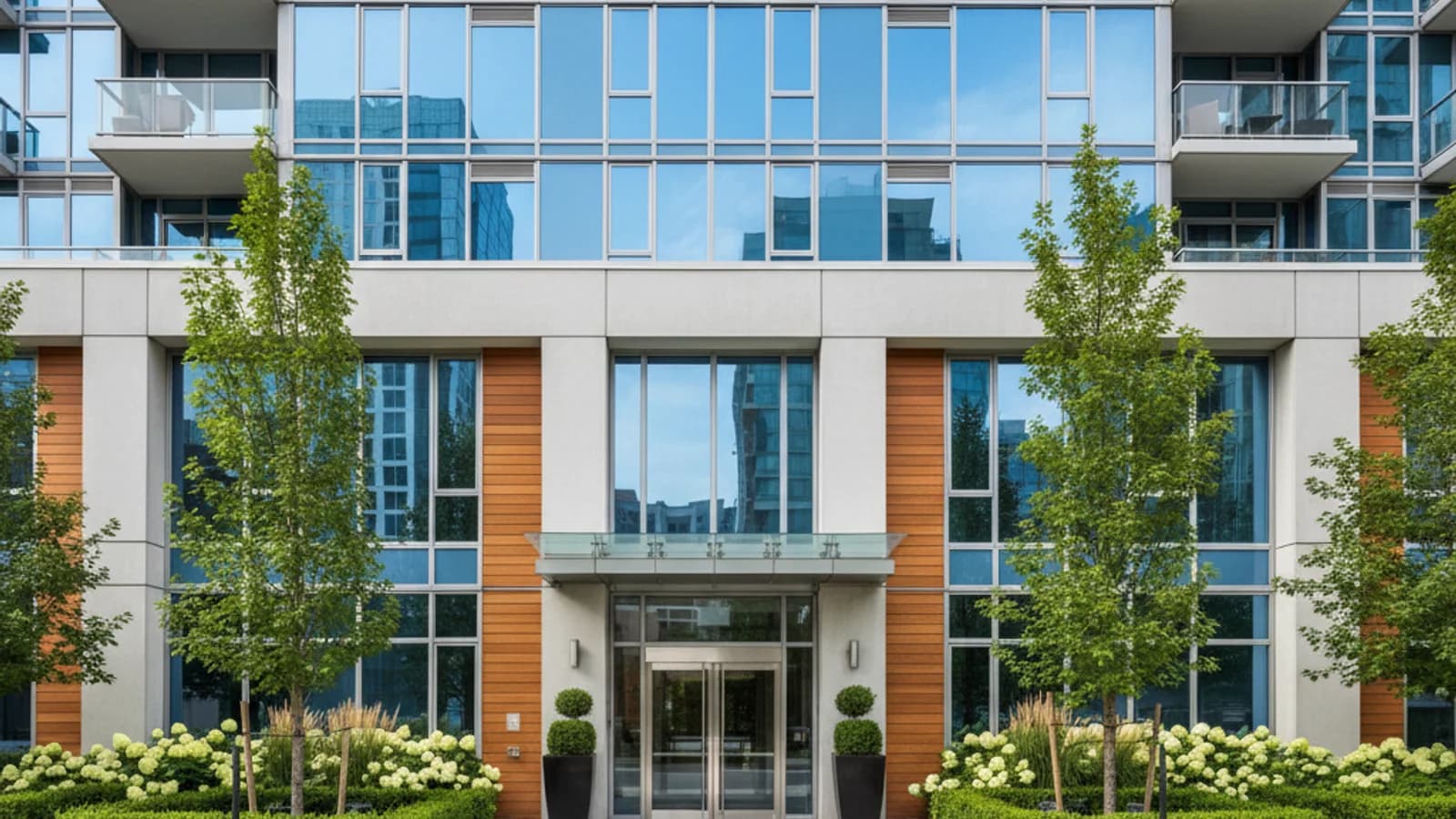
Improve building exteriors for urban listings that need a stronger first click moment.
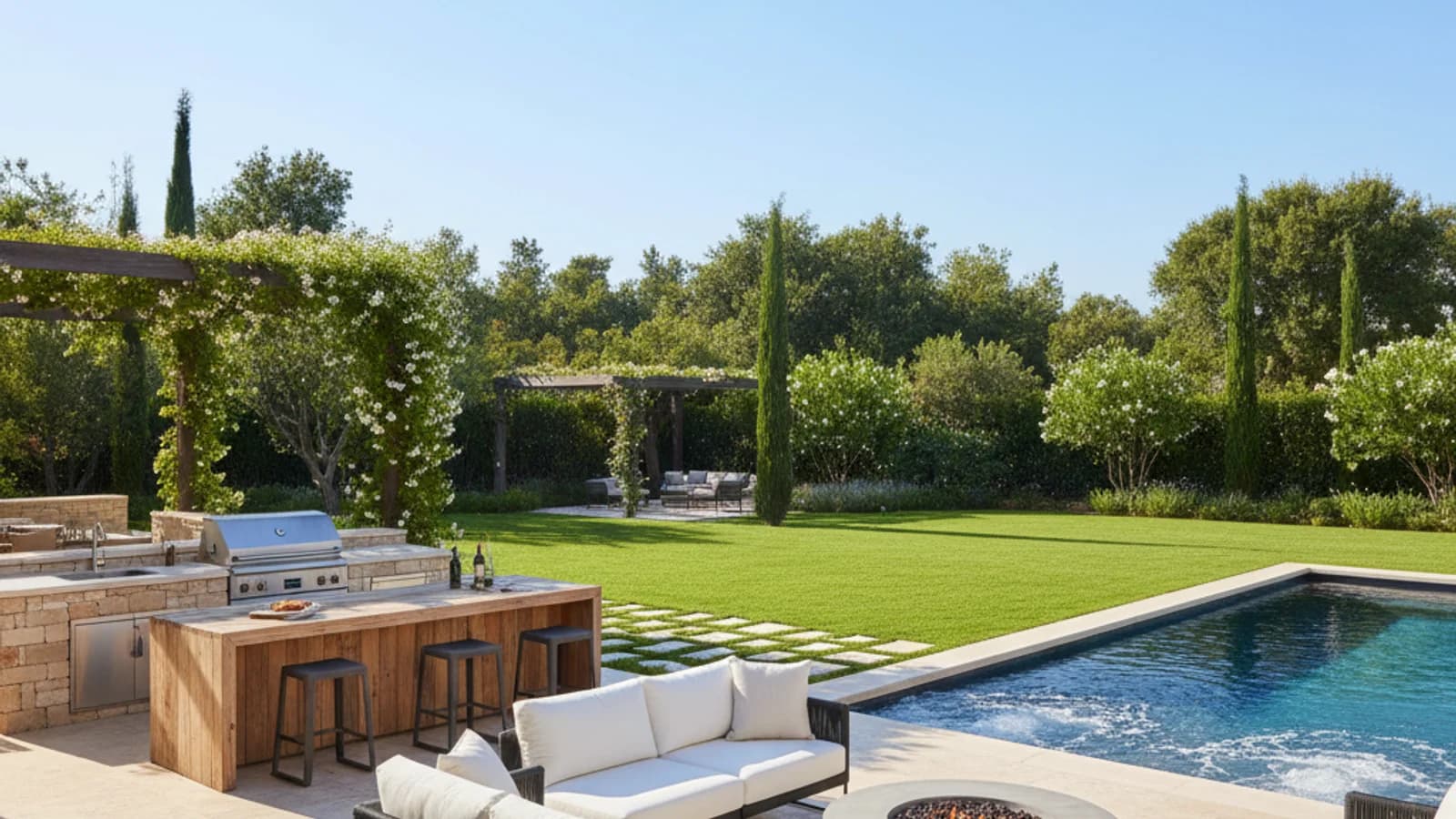
Balance open-air scenes where sky and ambient light directly affect perceived quality.
Search-focused content
Real estate twilight photos are exterior shots edited so the sky and ambient light feel like the golden hour just after sunset. Twilight real estate photos consistently outperform flat midday exteriors as listing thumbnails because warm windows and a richer sky pull more clicks from buyers scrolling a feed.
Proply Lens generates these from your existing daytime captures, so your team does not need a second shoot or a manual day-to-dusk retoucher.
Day to dusk photo editing used to mean blending several bracketed exposures by hand. The AI workflow handles sky transition, ambient light shift, and warm interior glow in one pass, then keeps the architecture untouched so the property is never misrepresented.
This is especially useful for villas, terraces, and curb appeal photos where the original capture was made on a flat or cloudy day.
When the original sky is washed out or overcast, real estate sky replacement is the fastest way to recover a competitive thumbnail. Cleaner sky separation also makes the facade and roofline read as more premium in marketplace grids.
Curb appeal photos benefit from the same pass: balanced exposure on the building, recovered foliage color, and a sky that does not flatten the rest of the image.
Exterior retouching is the right call when the original capture is structurally fine but the conditions fought against you: a flat overcast sky, a blown-out midday sun, uneven lawn color, or a facade that reads darker than it looks in person. In those scenarios the property itself is photogenic and the retoucher's job is to recover what the sensor lost. A day-to-dusk edit, a warmer window glow, or a cleaner sky separation can take the same raw image from a skippable thumbnail to a first-click hero without requiring anyone to revisit the site.
It is also the right tool when a listing needs to launch before the next good weather window. Agents working a 48-hour turnaround on a luxury villa do not have the schedule room to wait for a clearer afternoon, and reshooting a facade to chase better light burns a second travel slot and a second photographer invoice. Running the existing shots through exterior retouching keeps the launch on track and gives the marketing team a set of thumbnails that can compete in portal grids against listings photographed on objectively better days.
It is the wrong tool when the underlying photograph has structural problems the retoucher cannot honestly fix. Obstructions blocking the facade, a vehicle parked across the entrance, heavy scaffolding, or a composition that cuts off the roofline are not retouching problems — they are reshoot problems. Sky replacement will not make an unevenly framed facade look symmetric, and a warmer sunset tone will not hide a construction dumpster. When the raw image is broken rather than just underexposed, the honest answer is to go back and reshoot, and exterior retouching becomes a polishing pass on the new capture instead of a rescue operation on the old one.
It is also the wrong tool for anything that needs to match a verifiable real-world record. Appraisal attachments, insurance documentation, and council submissions should keep the original daytime exteriors untouched, because those downstream readers are evaluating the building, not the marketing. Reserve exterior retouching for the marketing surface — listing thumbnails, brochures, social posts, portal hero images — and leave the compliance copies alone. Treating it as a presentation layer rather than a source-of-truth edit keeps the workflow defensible and keeps the retouched assets doing the job they were built for.
Related features
Search topics
FAQ
Yes. Those are exactly the scenarios where exterior retouching creates the clearest difference because the original image often feels flat or low-energy.
Yes. It is helpful anywhere the building exterior must carry the first impression, including apartments, compounds, terraces, and mixed-use properties.
The goal is presentation improvement, not fabrication. The workflow is designed to preserve the property while cleaning up light, sky, and tonal balance.
Next step
Start with a trial, test the workflow on a live property, and use the related feature links to build a complete Proply Lens publishing stack.