
Empty resale homes
Create emotional pull for empty resale homes that otherwise feel cold or undefined.
Photo Tool
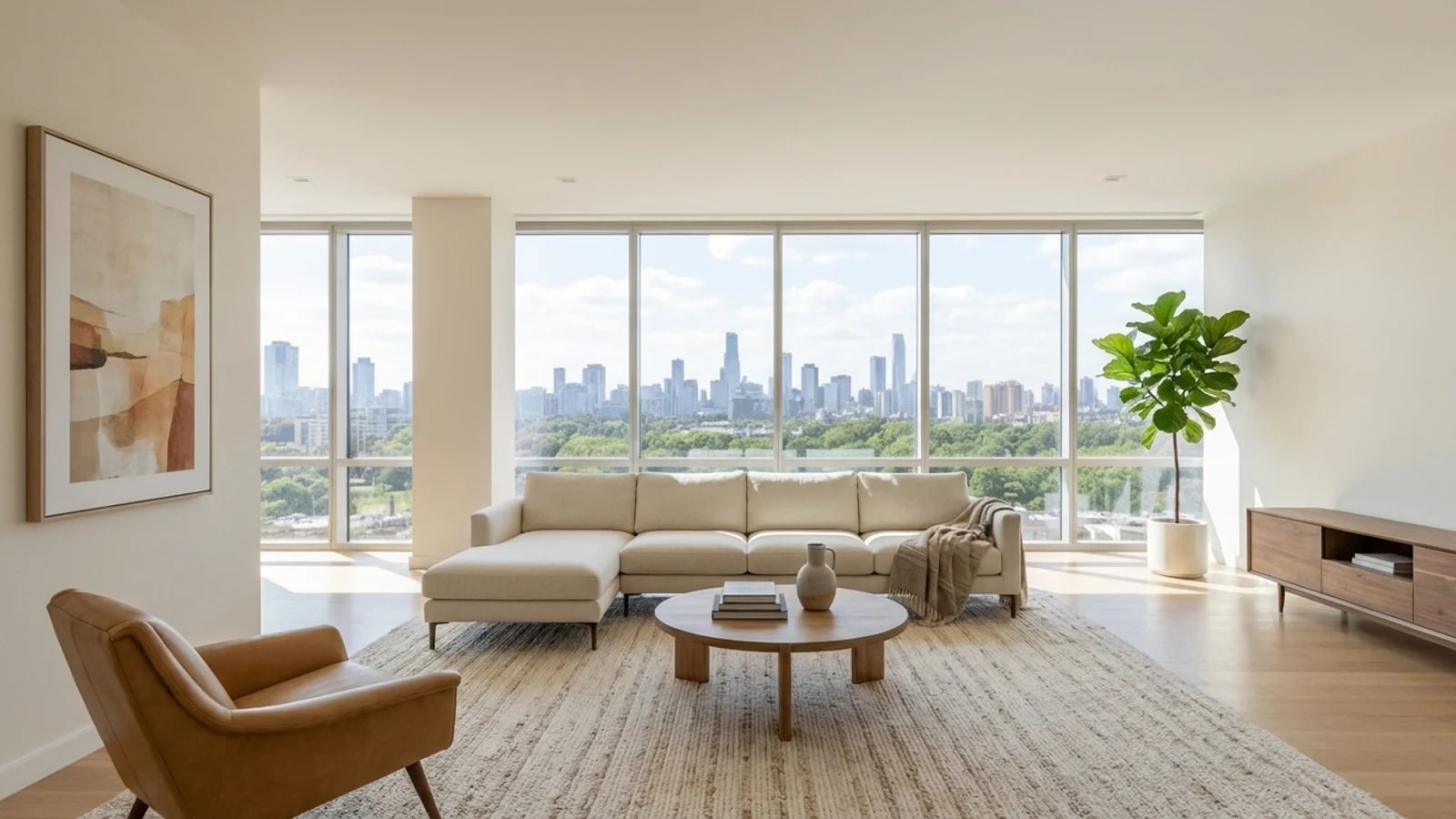
Add refined furniture and styling to blank interiors so every room feels lived in, curated, and easier to imagine from the very first scroll.
Featured workflow
Virtual staging helps buyers picture lifestyle, proportion, and furniture flow, which is especially powerful for empty homes and premium launches.
to stage an empty room into a styled scene
when buyers can see a living scenario
for modern, warm, or premium aesthetics
Feature proof
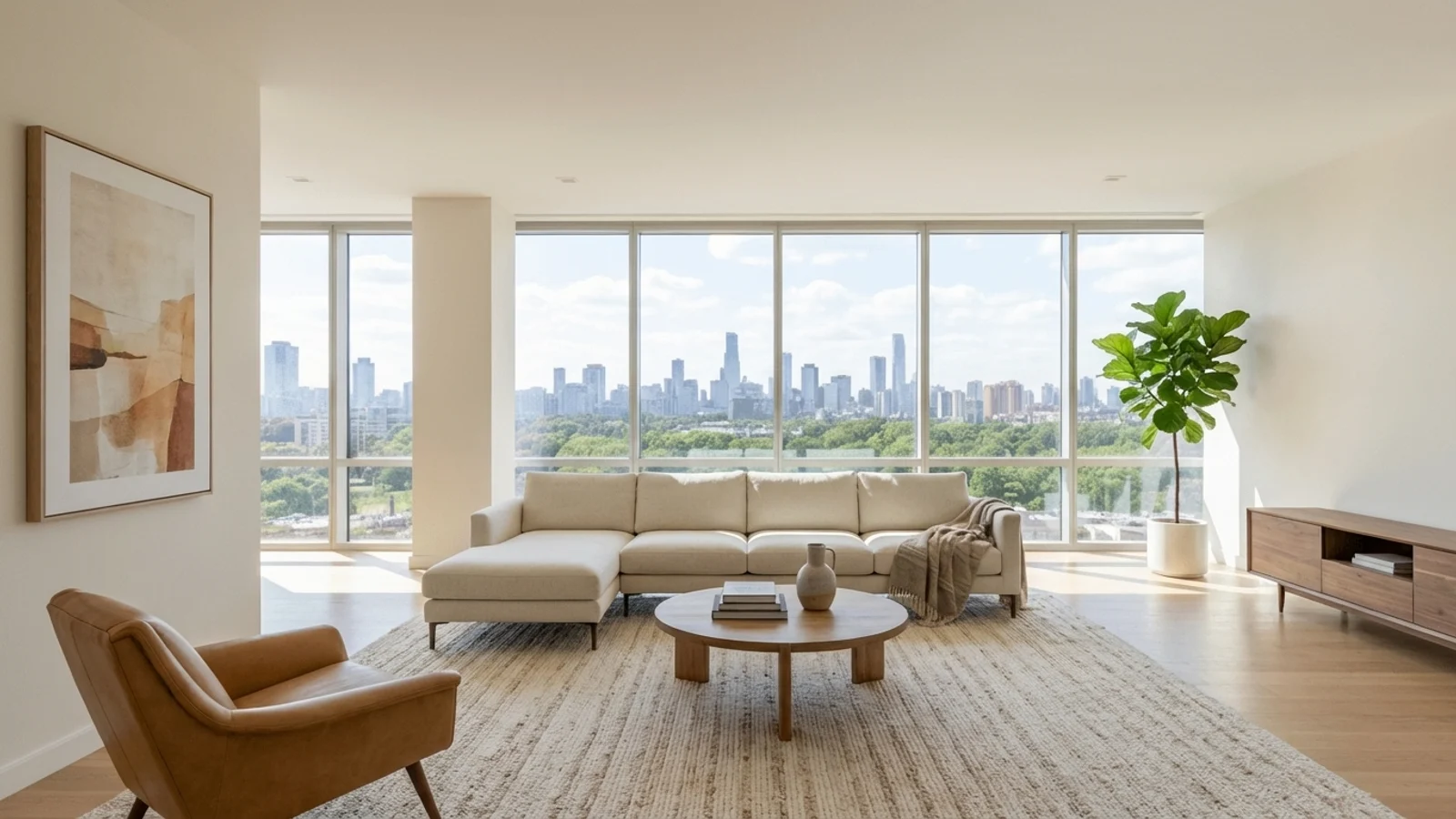
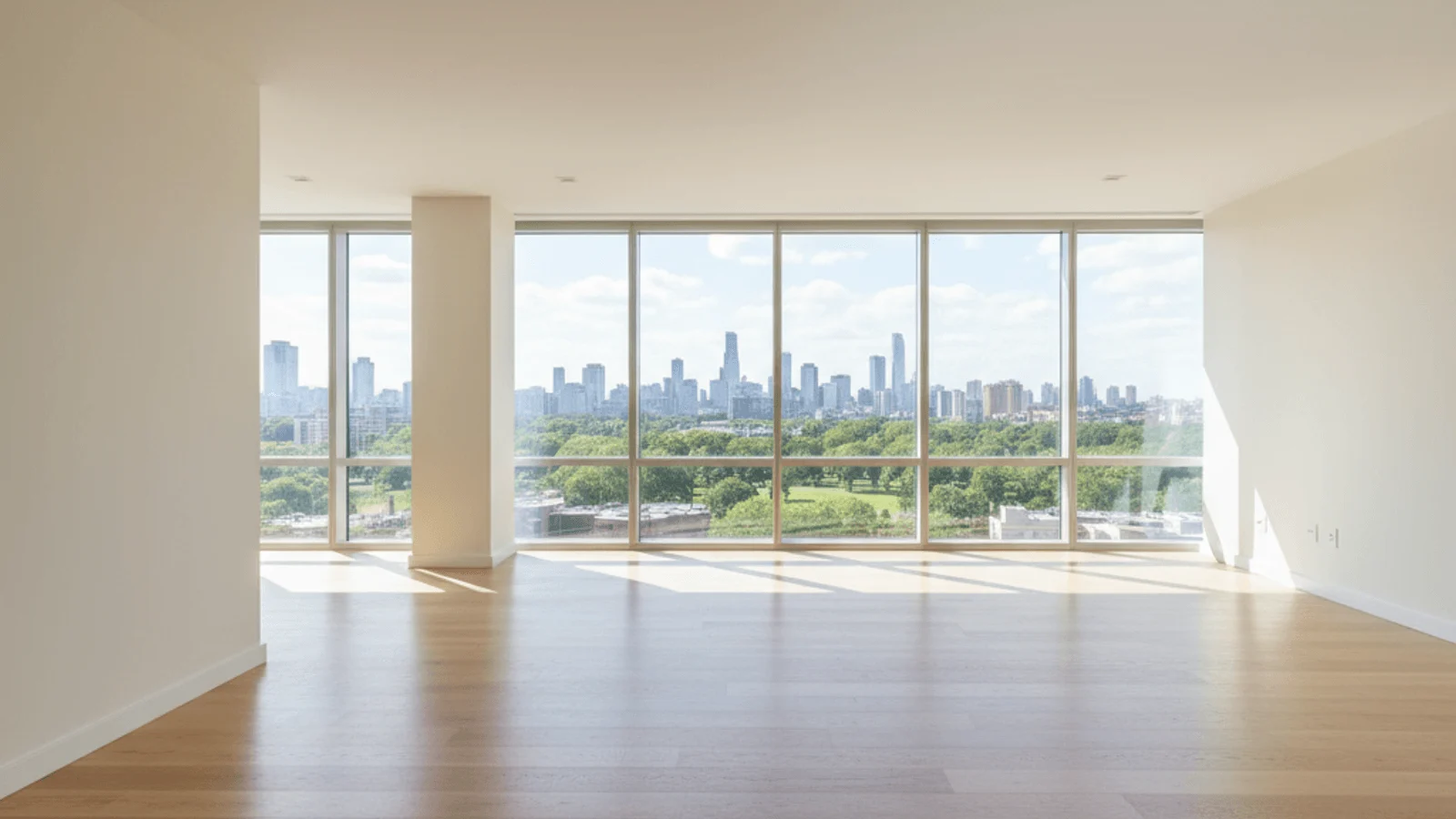
Virtual staging helps buyers picture lifestyle, proportion, and furniture flow, which is especially powerful for empty homes and premium launches.
Why it matters
These pages are designed for more than presentation. They help teams communicate value faster, explain the workflow clearly, and create stronger confidence before a trial or demo request.
Turns blank rooms into scenes that feel warmer, more aspirational, and easier to understand.
Supports premium positioning for new developments and empty resale homes.
Lets teams test different looks without moving physical furniture into the property.
Use cases
Each feature is meant to support real publishing behavior: faster launches, better listing quality, and stronger campaign coverage across portals, decks, and social.
Create emotional pull for empty resale homes that otherwise feel cold or undefined.
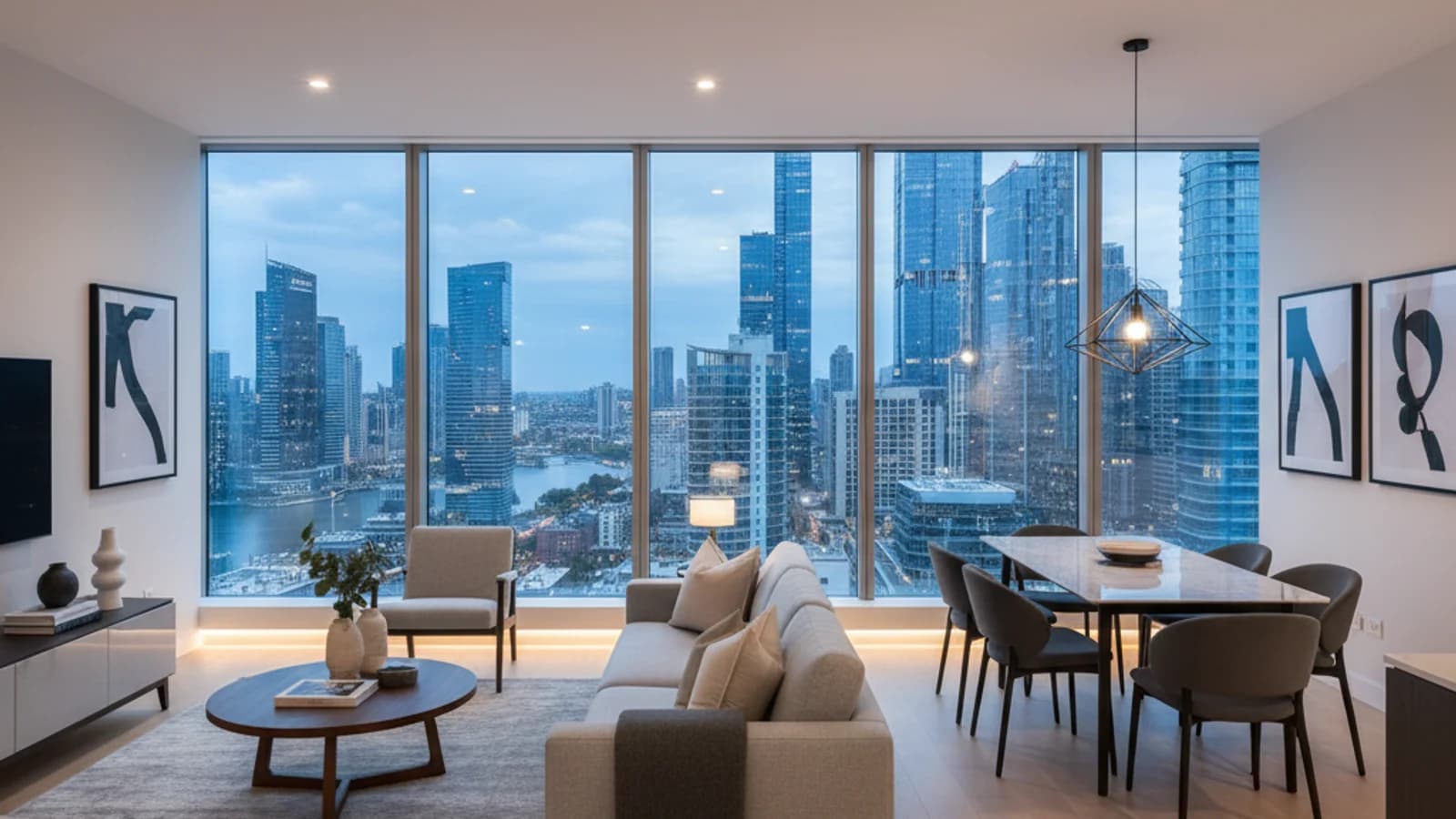
Show model-room potential for off-plan or newly delivered developments.
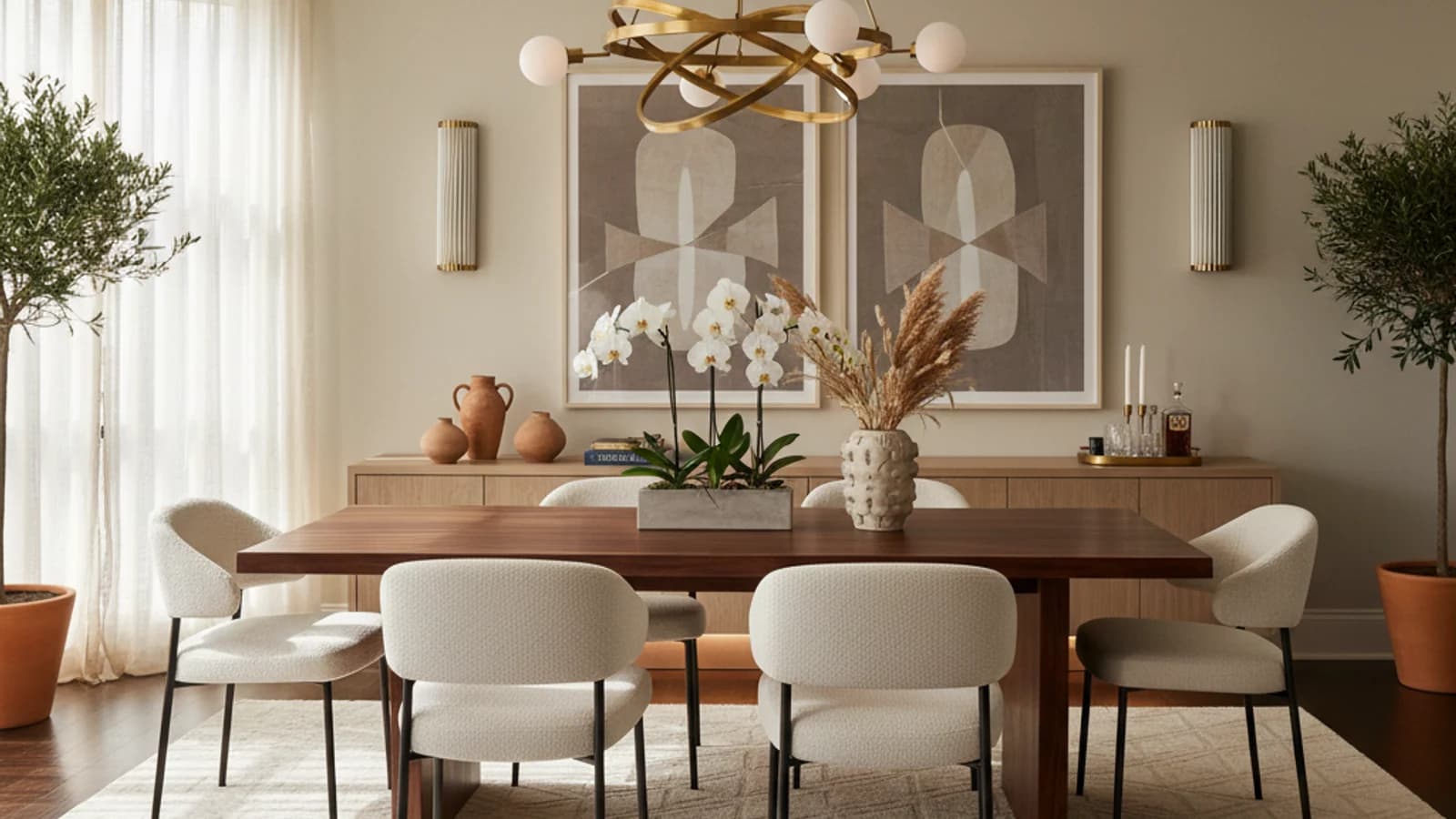
Produce highly shareable visuals for paid ads, landing pages, and social launch posts.
Search-focused content
Proply Lens is virtual staging software designed around real estate listings, not generic interior renders. Upload an empty room and the AI virtual staging engine furnishes it with realistic, buyer-ready styles in about 90 seconds — no 3D modeler, no manual furniture library, no waiting on a vendor.
Because it is purpose-built as virtual staging software for real estate, every output is tuned for listing portals, social ads, and brokerage presentations rather than abstract design mockups.
AI virtual staging is the fastest way to make an empty resale home or off-plan unit feel lived in. Buyers struggle to read scale and lifestyle from a blank room — staging fills that gap and helps the listing emotionally land in the first scroll.
Real estate virtual staging is especially powerful for premium launches and developer model rooms where the gap between empty and aspirational defines the entire campaign.
Most virtual staging for real estate agents fails on workflow: too many steps, too many revisions, too many file handoffs. Proply Lens runs as a virtual staging app you can use directly from a listing photo, with style options selectable in one click.
Brokerages can standardize a look across every team member, while individual agents get virtual staging for real estate listings without learning a design tool.
The best virtual staging software gets four things right: realism, speed, style range, and listing safety. Realism so buyers trust the image. Speed so it fits a publishing schedule. Style range so the staging matches the market segment. Listing safety so the structure of the room is never altered.
Proply Lens is positioned around all four — which is why it works equally well for resale empty homes, new developments, and premium social campaigns.
Virtual staging is the right call when the room is empty or cleared and the listing needs to show lifestyle before a buyer will agree to a viewing. Empty resale homes, newly delivered off-plan units, developer model apartments, and post-renovation relists all share the same problem: the architecture is ready but the story is not. A blank room forces buyers to do the imagination work, and most of them will not. Staging fills in a sofa, a rug, a dining setup, and a reading corner so the scroll-stopping image sells a life instead of a floor plan, and the listing stops competing purely on square meters.
It is also the right tool when the marketing team needs to test multiple positioning angles against the same space without renting physical furniture. One empty living room can become a modern minimalist apartment for one ad set, a warm family home for a different campaign, and a premium editorial shot for a brochure — all without a second shoot. That flexibility matters when the same unit is sold into different buyer segments, or when a developer needs to present the same floor plan as a starter home to one audience and an investment property to another.
It is the wrong tool when the room is already furnished with pieces the seller is keeping or selling. Staging on top of an occupied interior creates visual double-exposure where the existing sofa and the staged sofa fight inside the frame, and the result looks obviously edited to any buyer who has scrolled a portal for more than five minutes. In occupied cases the correct flow is to either shoot the real furniture well or run furniture removal first and stage afterwards. Skipping the removal step and stacking staging directly on top is the single most common way virtual staging loses credibility.
It is also the wrong tool when the listing is legally required to represent the property as-delivered, such as bare-shell off-plan sales where the buyer is explicitly purchasing an unfurnished unit. Staging these images without a clear disclosure creates a mismatch between the marketing and the contract, and most portals and many regulators now require the disclosure label when staged images are used on legally binding listings. If the staged output is going to run in a context where that label cannot appear, or where the buyer is expected to receive exactly what the photo shows, the honest move is to leave the room empty and lean on enhancement, good composition, and a floor plan instead.
Related features
Search topics
FAQ
That is the strongest use case, because empty spaces often struggle to communicate comfort, scale, and lifestyle without visual context.
Yes. The feature is positioned for style-aware real estate marketing, which means the output can support modern, premium, warm, or editorial directions.
Yes. Rentals also benefit when prospects can more quickly imagine how a room might function with real furniture and lifestyle cues.
Next step
Start with a trial, test the workflow on a live property, and use the related feature links to build a complete Proply Lens publishing stack.