
Most buyers decide within the first two or three images whether a listing is worth their attention. If those frames do not communicate the property's strongest qualities immediately, the rest of the gallery rarely gets a fair look. Optimising listing photos is not about producing the most visually impressive images possible — it is about communicating clearly, quickly, and honestly in an environment where buyers are comparing dozens of listings in rapid succession. This guide covers the decisions that actually move click-through rates and enquiry volumes.
The cover image is the only frame most buyers will ever judge you on
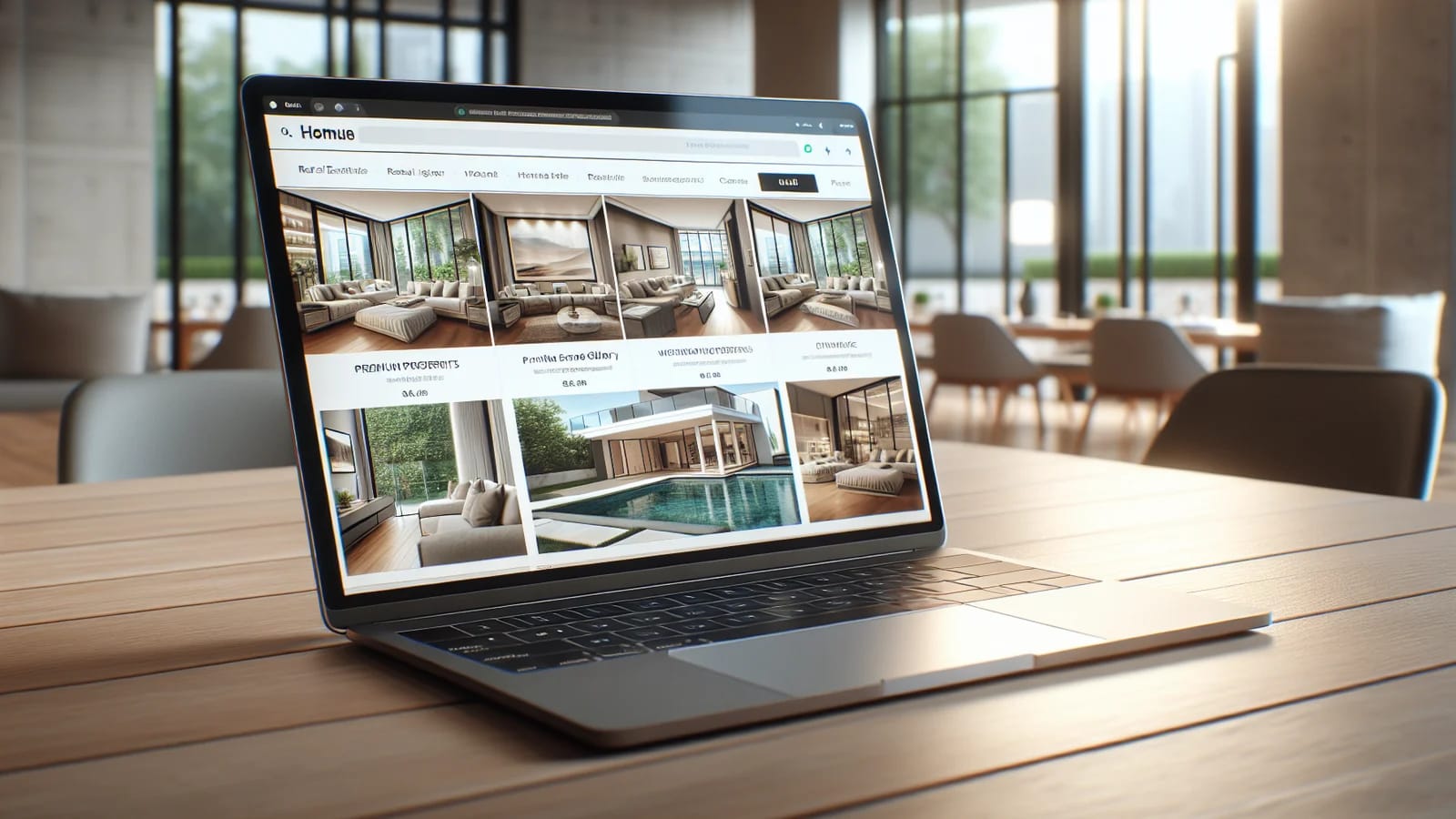
Portal search results display one image per listing. That cover frame is competing with every other listing in the same search — same price band, same area, same buyer pool. A cover image that communicates the property's strongest quality clearly and immediately increases the probability that a buyer clicks rather than scrolls past.
The strongest cover images typically show the property's primary selling point in good light with minimal visual clutter. For a house with a distinctive facade, that is the exterior. For a flat with an exceptional living room, that is the social space. For a coastal or rural property, that is the view or setting. The rule is not to lead with the biggest room — it is to lead with the frame that creates the strongest first impression for the specific buyer most likely to be interested.
Common cover image mistakes include leading with the hallway (a room that communicates nothing about quality), using an exterior shot for a flat in a generic block, and selecting an image where the property's best quality is obscured by furniture, clutter, or poor light.
Gallery sequence tells a story — or it doesn't
After the cover image, the gallery should guide the buyer through the property in a logical sequence that builds a mental model of the space. Most buyers subconsciously follow the same path a physical viewing would take: exterior, entry, social areas, kitchen, private spaces, bathrooms, outdoor space, and any distinctive features. A gallery that follows that sequence feels coherent. One that jumps between rooms randomly feels like a camera roll rather than a considered presentation.
The practical implication is that gallery order matters as much as individual image quality. A strong third image appearing as the seventh frame will generate fewer views than if it had appeared in its optimal position. Review the sequence with the same critical eye you apply to the individual frames.
Vacant rooms and cluttered spaces typically perform worst in the sequence. Furniture removal and virtual staging can address both problems and prevent weak frames from interrupting the gallery narrative.
Editing quality: what buyers actually perceive
Buyers rarely articulate what editing quality means. They use words like "professional", "clean", or "well-presented" to describe listings where the photos have been properly processed, and "dark", "dated", or "a bit rough" to describe listings where they have not. The editing itself is invisible — only the perception it creates is visible.
The edits that consistently improve that perception are brightness and exposure correction (dark rooms look smaller and less desirable than the same room in good light), sky replacement or enhancement for grey-day exterior shots, and the removal of lens distortion that makes rooms look narrower than they are.
AI photo enhancement applies all of these corrections automatically and consistently. For exterior frames specifically, exterior retouching addresses sky conditions, kerb appeal, and seasonal colour correction that would otherwise require a return visit or a weather-dependent reshoot.
How many photos is enough?
Portal research consistently shows that engagement peaks between 15 and 25 photos for residential listings. Below 12, buyers feel they have not seen enough to commit to a viewing. Above 30, the gallery often dilutes itself with weaker frames that reduce the overall impression rather than adding information.
The right number is the minimum required to communicate every meaningful selling point — not the maximum the portal allows. If a room appears twice in a gallery because the photographer shot it from two angles and neither was strong enough to cut, that is two frames doing less work than one strong frame would. Edit with the same discipline you would apply to the cover selection.
Day-to-dusk and lifestyle framing: when it adds value
Twilight exterior edits and lifestyle-adjacent images (a terrace set for outdoor dining, a garden in good condition) consistently increase time-on-page for listings where those features are genuine selling points. They work because they help buyers visualise how the property would feel to live in, not just how it looks to a surveyor.
The risk is misuse. Twilight edits on a property where the exterior is not a selling point do not improve enquiry rates. Lifestyle framing for a property where the outdoor space is small and functional looks incongruous rather than aspirational. Use these techniques selectively, for frames where the upgrade genuinely communicates a meaningful quality the buyer would value.
For a deeper treatment of twilight editing strategy by market, see the guides on converting daytime photos to twilight shots and day-to-dusk edits for Spain listings.
Sources and further reading
Frequently asked questions
Does the cover image really matter that much for enquiries?+
Yes. Portal search results show one image per listing. Buyers scroll quickly and form first impressions in under two seconds. A weak cover image loses buyers before they have seen the rest of the gallery.
What is the single most impactful edit for a typical listing?+
Brightness and exposure correction on interior frames. Dark rooms are the most common reason listings look less appealing than the physical property justifies. Correcting exposure is also the edit that buyers are least likely to consciously notice but most likely to respond to.
Should every room in the property appear in the gallery?+
No. Only include rooms that contribute positively to the overall impression. A small secondary bathroom or a utility room that photographs poorly should be excluded rather than included for completeness. The gallery should be a curated selection, not a comprehensive record.
Is virtual staging worth it for a property that is not vacant?+
Sometimes. If an occupied room photographs poorly because of furniture condition, clutter, or dated styling, removing the contents digitally and re-staging can be more effective than editing around the existing furnishings. Evaluate it as a tool for specific problem frames rather than as a default for all occupied properties.
Topics covered in this guide
optimize real estate listing photos, real estate listing photo tips, best listing photos for more enquiries, how to improve real estate listing, listing photo conversion rate, real estate gallery sequence, portal listing photo strategy.