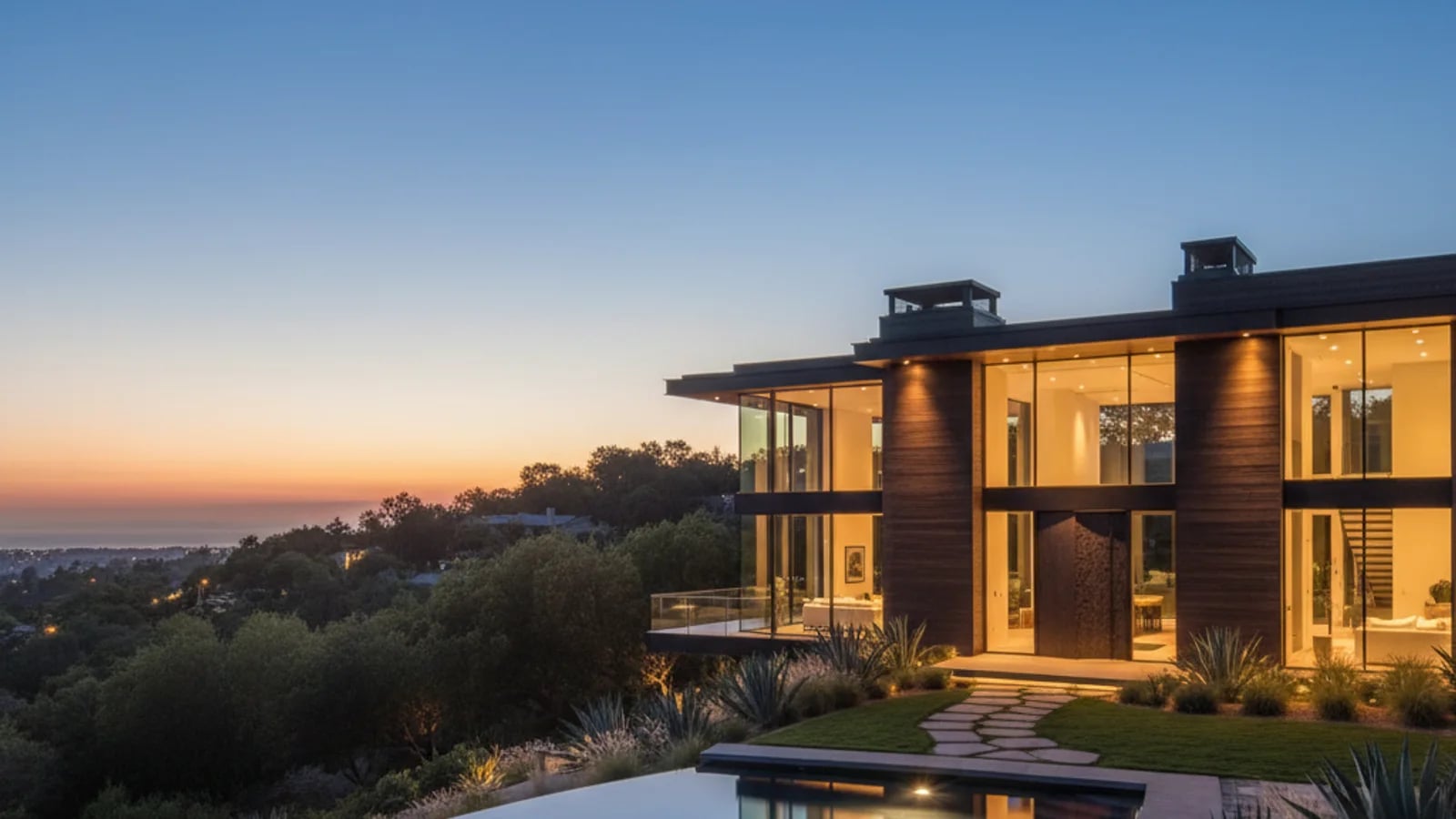
A twilight listing photo works because it compresses attention into a single frame. Exterior lighting glows, the sky becomes more dramatic, and architectural lines feel more intentional. That is why agents keep reaching for dusk hero images even when the original shoot happened in the middle of the day. The best day-to-dusk edits are not just color shifts. They are controlled exterior marketing assets designed to make the first frame in the gallery feel stronger without breaking buyer trust.
Pick the right source photo before you touch the sky
A strong twilight edit starts with a strong daytime frame. You want clean verticals, visible facade detail, and enough exterior lighting features to make the dusk version feel plausible. Redfin’s listing photography advice emphasizes timing, framing, and clean composition because those basics still matter even when post-production is part of the plan.
If the original image is muddy, badly composed, or missing the property’s key architectural lines, a twilight conversion will only magnify those problems. Start with the cleanest exterior frame you have, then improve it with exterior retouching before you add dusk mood.
What a good twilight conversion actually changes
A good day-to-dusk edit usually changes four things at once: the sky, the warmth of interior light, the tonal balance of the facade, and the overall contrast between house and background. BoxBrownie’s day-to-dusk workflow is a useful reference because it treats twilight as a multi-step real estate editing process rather than a one-click filter.
That matters. Buyers respond better when the edited result still feels anchored to the original property. The strongest conversions keep stone, wood, glass, and landscaping believable while making the scene feel more premium and more memorable in the feed.
Why twilight works best as a hero image, not as every exterior
Redfin’s twilight photography article highlights the emotional advantage of twilight exteriors, and that is exactly why overusing them is a mistake. If every exterior frame in the gallery is pushed into the same dramatic mood, the listing can start to feel over-produced.
The best use case is to create one or two hero exteriors that pull buyers into the gallery, then support them with accurate daytime images that clarify the real property. This is especially effective when you are trying to strengthen the first click on portals or create a cover frame for AI video slideshows.
Twilight is strongest when the property already deserves the treatment
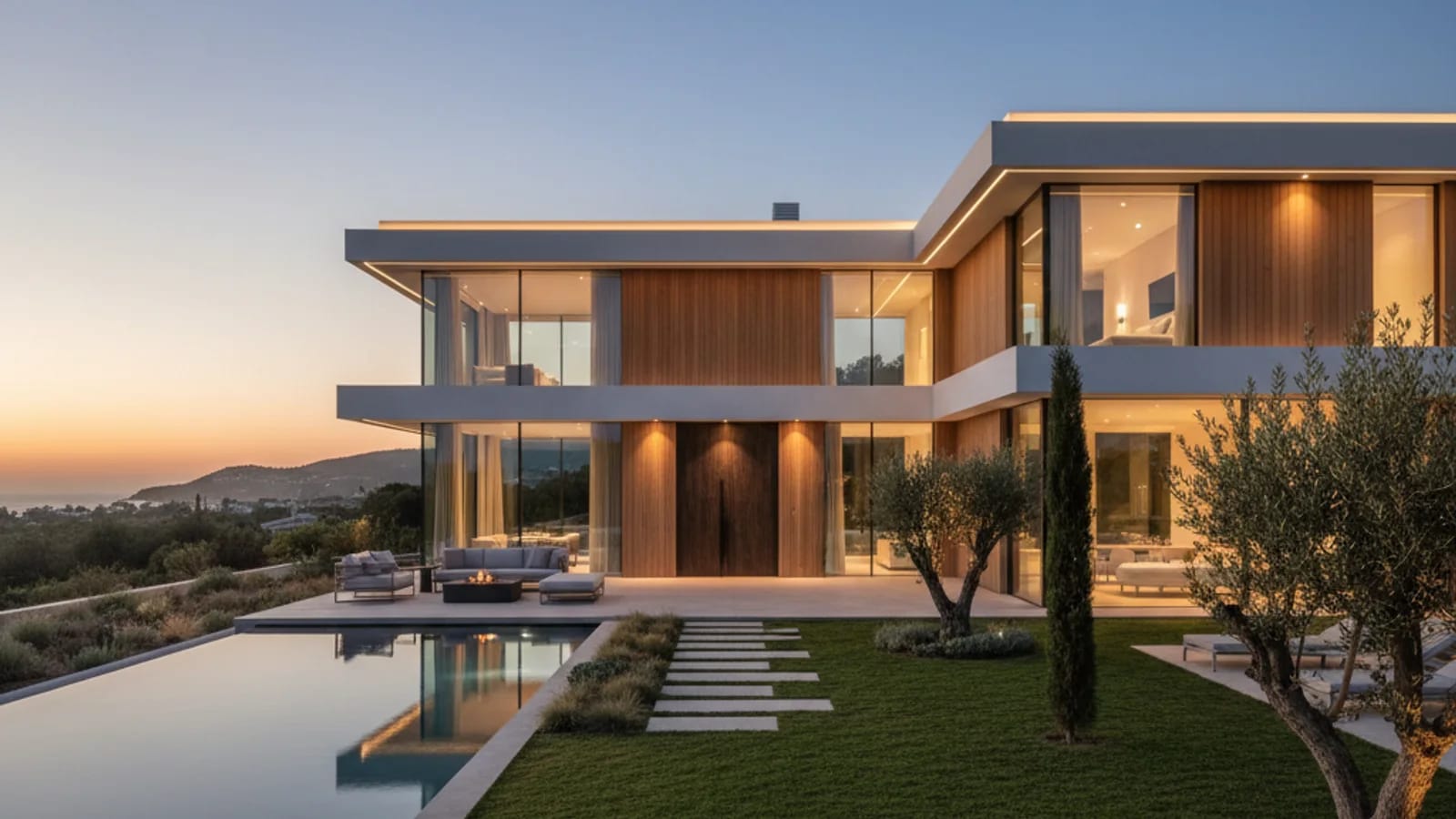
Some homes simply justify dusk better than others. Luxury facades, pools, architectural lighting, terraces, and hillside or waterfront properties usually gain the most because dusk intensifies the design language that is already present. A weaker exterior will not magically become high-end because the sky changed.
That is why the smartest teams treat twilight as a positioning decision, not just an editing decision. Use it where the first impression really affects inquiry quality, not as a default applied to every new listing. If the goal is stronger curb appeal at scale, pair twilight hero frames with a broader AI photography workflow so the rest of the gallery stays consistent.
Sources and further reading
Frequently asked questions
Should every exterior image be converted to twilight?+
Usually no. Twilight is most effective as a lead image or hero asset. The full gallery still benefits from accurate daytime frames that show the property clearly.
What makes a source photo good for day-to-dusk editing?+
Look for clean composition, strong facade visibility, straight lines, and a property with lighting or architectural features that can plausibly glow at dusk.
Does twilight work for every property type?+
It works best for listings where exterior design and evening mood support the value story, especially villas, premium homes, terraces, and properties with strong curb appeal.
Topics covered in this guide
day to dusk photo conversion real estate, twilight real estate photos, exterior retouching for listings, day to dusk editing, real estate hero image.