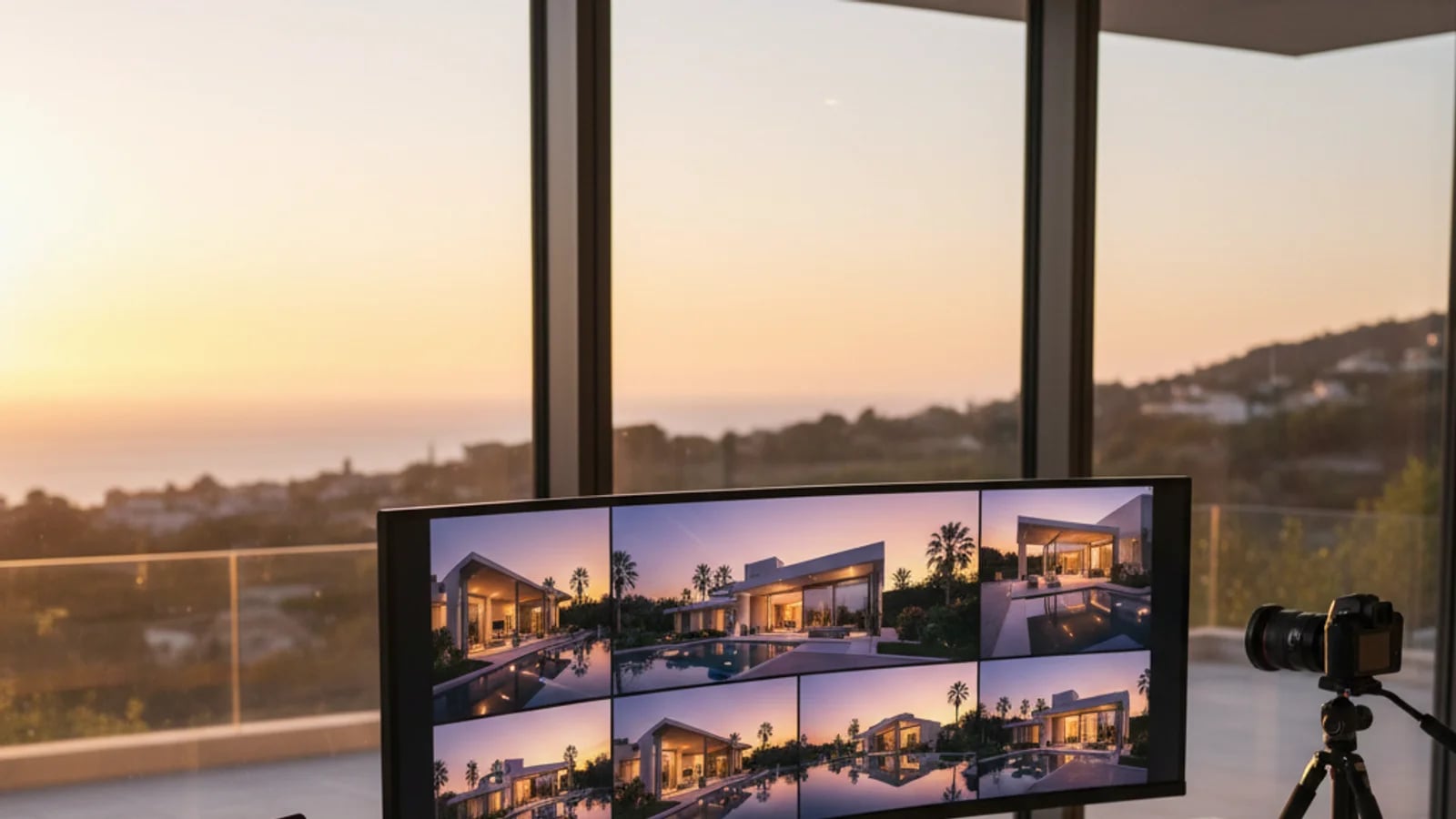
A professional real estate video does not always start with a camera crew. For many listings, the fastest path to a polished video asset is to begin with the photo set that is already approved, then build motion, pacing, and sequencing around those stills. That matters because most teams do not need another complicated production layer; they need a repeatable launch asset that works across websites, paid campaigns, listing presentations, and short-form social. When the workflow is structured correctly, a photo-driven video can feel deliberate rather than improvised, and premium rather than templated.
Start with a gallery that already tells a story
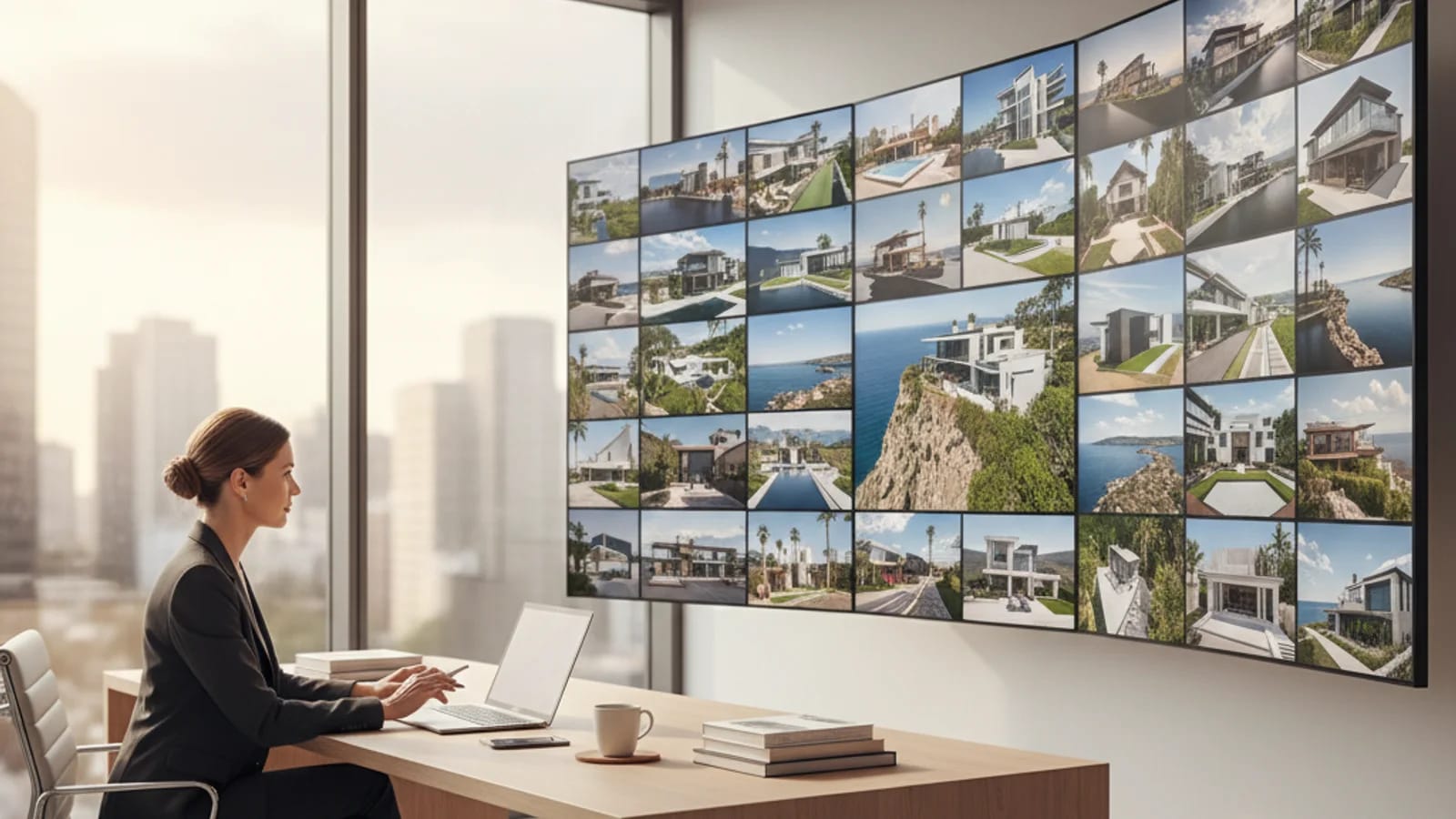
The first mistake most agents make is treating every photo as equally important. A video built from stills works best when the image set already has a narrative order: exterior hook, hero living space, kitchen, primary suite, secondary spaces, and outdoor finish. Redfin’s listing photo guidance is useful here because it reinforces that framing, decluttering, and sequence shape how buyers understand the property long before an in-person visit.
Before you animate anything, trim the gallery down to the smallest set that still communicates the home clearly. In most cases, that means choosing eight to fifteen images, not thirty. If you are working from a weaker photo package, improve the hero frames first with AI photo enhancement or tighten the first exterior frame with exterior retouching so the video opens with a stronger first impression.
Design for pacing before you design for effects
What makes a listing video feel expensive is not usually the effect stack. It is pacing. Each frame needs enough on-screen time for the buyer to absorb layout, finishes, and emotional tone, but not so much that the sequence drags. A simple rhythm works well: longer holds for the hero rooms, shorter holds for circulation spaces, and a cleaner finish on lifestyle shots such as terraces, pools, or skyline views.
If the destination is short-form distribution, the pacing should also respect platform behavior. YouTube’s Shorts documentation confirms that square or vertical videos up to three minutes can be treated as Shorts, which is useful for agents planning vertical launch assets. That means one image set can often become both a widescreen listing video and a vertical social cut if you build the sequence with format flexibility from the beginning.
Use motion to direct attention, not to show off editing
Photo-based real estate videos become dramatically stronger when motion is subtle and purposeful. Slow push-ins on hero rooms, gentle lateral drift on exteriors, and controlled zoom-outs on detail shots are usually enough. The goal is to guide the eye through the property and support the illusion of movement without making the images feel synthetic or over-processed.
This is where a dedicated workflow such as AI Video Slideshows becomes useful. Instead of forcing agents to hand-build every cut, the system can treat listing photos as a campaign-ready motion asset. And if the listing is vacant, combining the sequence with virtual staging before export can improve the emotional pull of the finished video significantly.
Build one master edit, then publish channel-specific variants
The smartest teams do not create a different concept for every channel. They create one strong master sequence, then resize and trim it for each destination. A 16:9 version can serve the listing page, a pitch deck, or YouTube; a 9:16 cut can serve Reels, Shorts, and Stories. The efficiency gain is not just editorial. It keeps the property’s visual identity consistent across every buyer touchpoint.
If you host or embed the finished asset on your own site, Google’s VideoObject guidance is worth following from the start. Proper video markup helps search engines understand thumbnail, duration, and upload metadata, which makes the page easier to index and gives your video a better chance to surface in search features.
The real win is faster campaign output
Most brokerages do not lose momentum because they lack ideas. They lose momentum because every listing launch asks the team to reinvent the production workflow. A photo-to-video process solves that problem. It converts an already-approved asset set into something richer, more social, and more reusable, without introducing the scheduling, editing, and review burden of a full custom video shoot.
That is why the strongest use case is not “replace every cinematic videographer.” It is “give every listing a motion asset.” If you want the shortest path from still gallery to campaign-ready video, pair this workflow with a channel-aware video plan and use the final sequence as the bridge between static listing media and ongoing social distribution.
Sources and further reading
Frequently asked questions
How many photos should a real estate video from photos use?+
For most listings, eight to fifteen strong images are enough. The goal is not to include every frame from the gallery, but to create a sequence that moves clearly from first impression to strongest selling moments.
Should agents make one video or multiple versions?+
A single master sequence is usually best, then export channel-specific versions such as 16:9 for listing pages and 9:16 for short-form social. That keeps production efficient and brand presentation consistent.
When is a photo-based real estate video better than a live shoot?+
It is best when speed, budget, and repeatability matter more than bespoke cinematography. It gives teams a motion asset for every listing without adding a full video production cycle.
Topics covered in this guide
real estate video from photos, property video from listing images, AI real estate video, real estate slideshow video, listing video marketing.