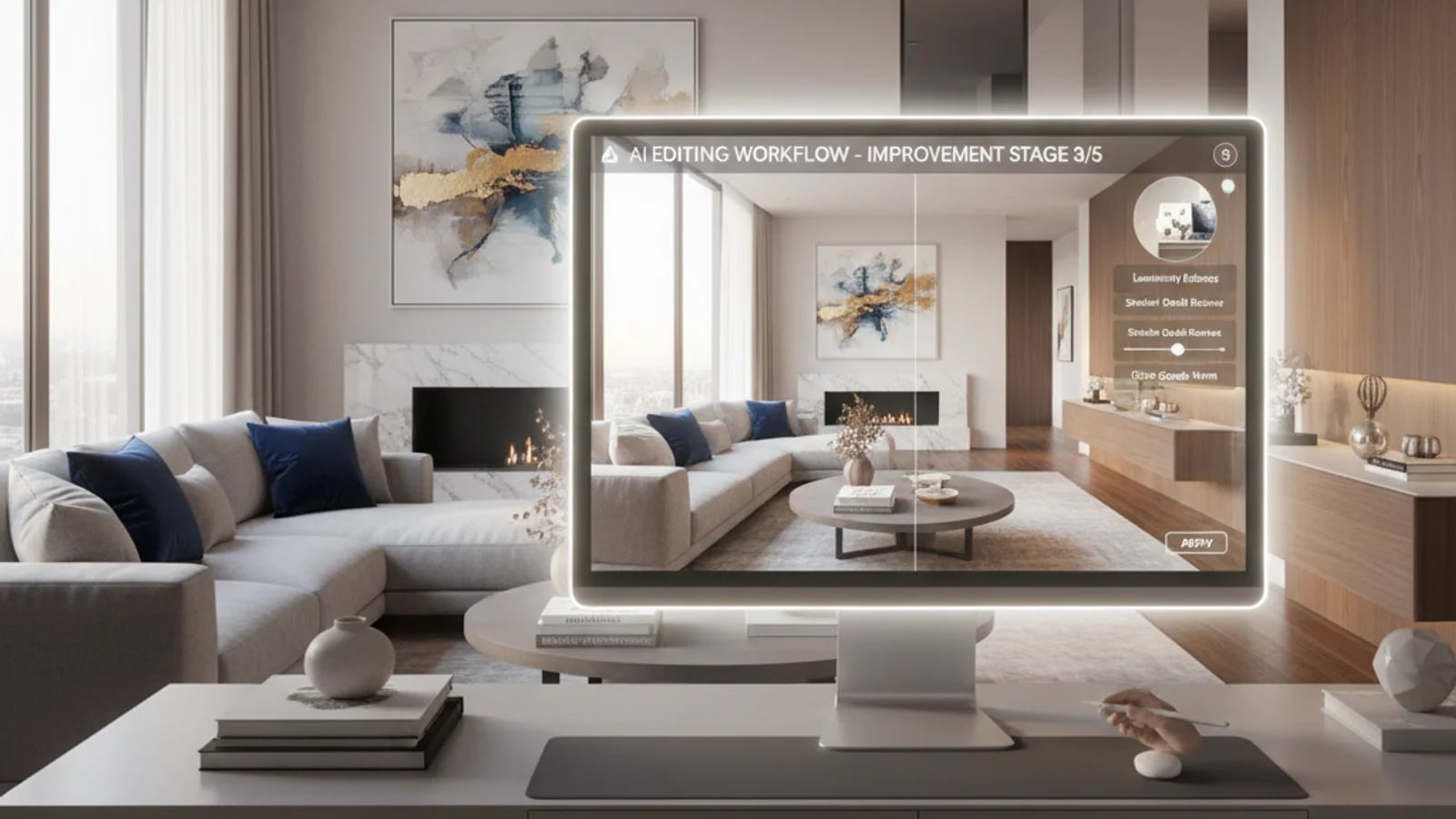
In Japan, listing photos often need to work especially hard because many buyers and renters are evaluating compact spaces quickly. On SUUMO and LIFULL HOME'S, the gallery has to explain layout efficiency, natural light, storage potential, and room usability with very little wasted attention. That means the best listing images are usually the ones that feel bright, practical, and easy to decode.
Japan portal browsing puts pressure on clarity and efficiency
SUUMO presents itself as a broad housing and property portal in Japan, while LIFULL HOME'S positions itself as a service that helps users discover what kind of home they truly want. In practice, both environments encourage fast comparison between many listings.
That makes the first image critical. It should immediately tell the buyer or renter whether the property feels bright, organized, and worth opening in more detail.
Compact homes need photos that prioritize usable space
In many Japanese listings, the most valuable visual signal is not decoration but clarity of use. Buyers want to know whether the room feels livable, how the layout flows, and whether the space reads larger or smaller than expected. For compact apartments, the lead image is often the cleanest main room or LDK because it communicates daily practicality most directly.
If the room feels dim or compressed in the original frame, use AI photo enhancement to improve readability without making the room look unrealistic.
Bright, believable editing usually beats dramatic styling
Listings in Japan often gain more from balanced light, cleaner verticals, and careful room framing than from strong visual effects. If the home feels too stylized, buyers may lose confidence in how the actual property will look in person. Clean realism tends to support trust better.
This matters especially for smaller urban homes, where exaggerated wide-feeling edits or over-processed brightness can quickly feel misleading.
The gallery should reduce uncertainty room by room
A practical sequence often works best: hero room, kitchen or LDK view, bedroom, bathroom, storage-related context, then any balcony or exterior frame. The goal is to help the user understand how the home functions in daily life rather than simply showcasing isolated attractive shots.
That same structured order also helps if the listing later expands into video slideshows or seller-facing presentations.
Sources and further reading
Frequently asked questions
Should Japan listings often start with the main room or LDK?+
Yes, especially for compact apartments. The main room often communicates daily usability, light, and scale most efficiently.
Do dramatic edits help on Japanese property portals?+
Usually less than bright, believable realism. Buyers often respond better to images that feel practical and trustworthy.
Why is room sequence important in Japan listings?+
Because users compare quickly, and a logical gallery helps them understand how the space actually works without extra effort.
Topics covered in this guide
SUUMO listing photo guide, LIFULL HOME'S photo guide, Japan property listing photos, small apartment real estate photography Japan, Japanese housing portal photo tips.